Historic Milestone: Statewide Food Security Strategy Bill Passes House on Hunger Action Day
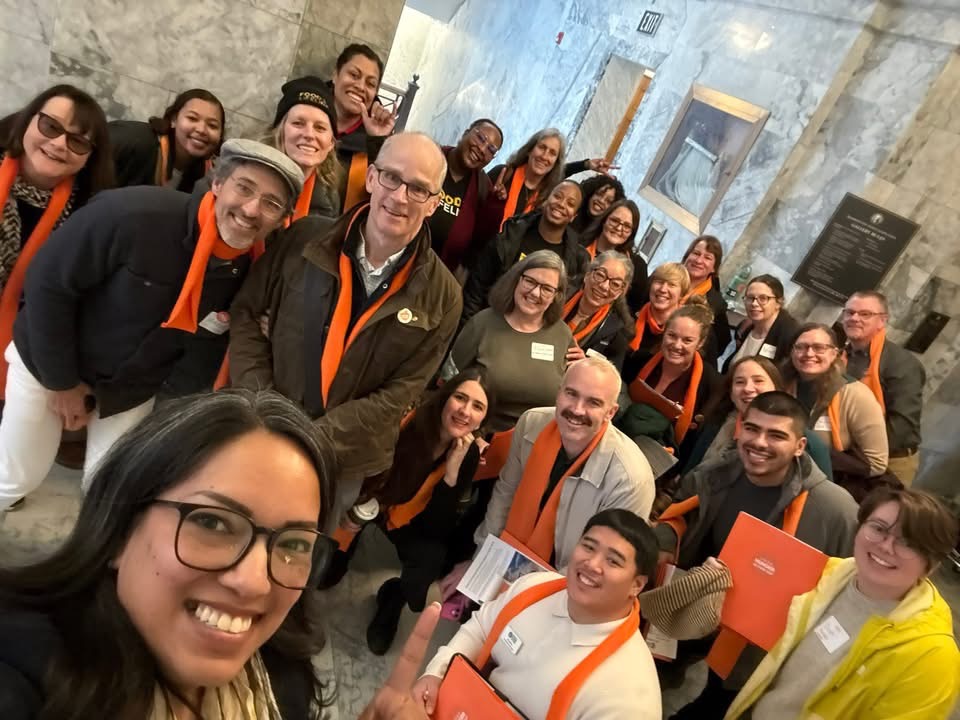
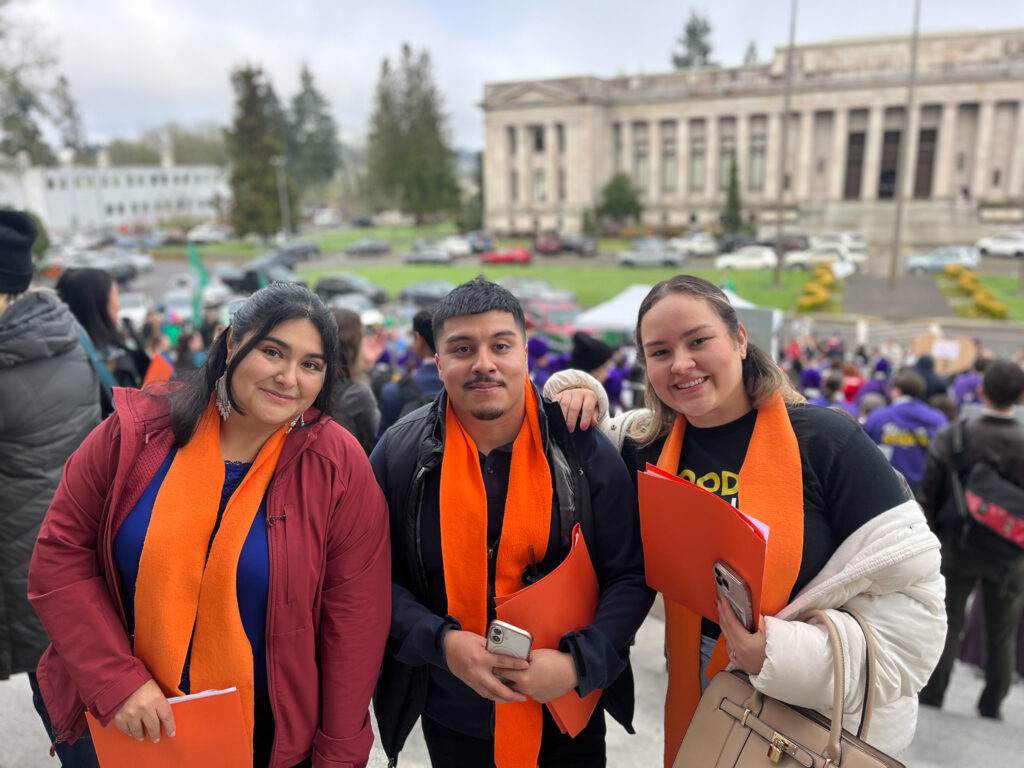
We joined hunger advocates from across the state February 10 for Hunger Action Day in Olympia.
It proved to be an eventful…


Each year, Food Lifeline sets out to work with legislative champions in Olympia and Washington DC on policies to solve hunger problems, protect successful safety net programs, and secure new investments for hunger relief efforts. Despite unprecedented challenges, we can report progress in some of these areas during the 60-day 2026 Washington State Supplemental Session.
Importantly, Food Lifeline recognizes our community advocates and supporters, including partners that helped make this body of work possible: Balance Our Tax Code Coalition, Community Justice Alliance, Direct Cash Coalition, Feeding Washington, Harvest Against Hunger, Northwest Harvest, Racial Equity Team, Second Harvest, Senior Citizens Lobby, Statewide Poverty Action Network, Washington Anti-Poverty Advocates, Washington Food Coalition, Washington State Department of Agriculture, Washington State Farm Bureau, Working Families Tax Credit Coalition, and the Food Fighters Legislative House Caucus.
Food Lifeline’s Advocacy & Public Policy Committee: Ben Hill (Co-Chair), Derek Chaves, Cara Figgins, Kristina Herrmann, Angela Troy, Stephen Davis (CEO), and Aaron Czyzewski (Co-Chair).
Food Lifeline’s Strategic Impact Team: Stephanie Cole, VP, Strategy & Impact; Aaron Czyzewski, Public Policy & Government Relations; Leah Rapalee, Strategic Initiatives; Alicya Pearson, Strategy & Evaluation; Amanda Reeves, Community Power & Partnership; Power Hub Coordinators: Prenz Sa-Ngoun – Central Region, Eva Fuentes – North Region, Torrence Dixon – South Region; and Nora Burns Palattao, lobbyist.

As in the previous year, state lawmakers entered the short supplemental session under significant fiscal pressure, driven by multi‑billion‑dollar budget shortfalls and the emerging state‑level impacts of federal policy changes affecting SNAP and Medicaid. H.R.1 alone shifts hundreds of millions of dollars in programmatic and administrative costs to the state—costs that, if fully absorbed, do not expand services or address unmet need, but instead function to backfill budget gaps.
Against this backdrop, hunger relief partners arrived in Olympia to report sustained—and in many cases increasing—levels of community need. These conditions heightened concerns about the cumulative effects of potential reductions to safety‑net programs that serve as a critical bridge for households working to regain economic stability. They also lowered expectations about what could be accomplished during a short session.
And yet, the 2026 Supplemental Session unfolded in unexpected ways. While revenue constraints and the impacts of H.R. 1 were undeniably destabilizing, the session was notable for what it set in motion. It demonstrated the potential of well‑coordinated, highly motivated legislative champions working in partnership with advocates and stakeholders, and it expanded prevailing assumptions about what is achievable within a constrained fiscal environment.
Throughout the session, community members, alongside Food Lifeline and our partners, elevated their voices on unresolved policy issues through testimony, direct outreach, and meetings with lawmakers at the Capitol during lobby days and rallies. These efforts, combined with collaboration among lawmakers and stakeholders, helped advance several materially significant policy outcomes.
Key Highlights
Looking Ahead
Several proposals by Representative Kristine Reeves did not advance during this session but are expected to be reintroduced in 2027, including:
It is important to note that while the Millionaires Tax intends to fully cover school breakfast and lunch for all Washington students, a separate policy bill will be required during the 2027 legislative session to establish the statutory framework for how the program will be implemented. If the Millionaires Tax withstands anticipated court and ballot challenges, revenue generated by the tax will be available beginning in 2029.
With the outcomes above as a starting point, looking ahead to 2027 is now a fascinating thought. The stage is set for more coordinated, systematic, and comprehensive policy development—drawing on the broadest and most diverse group of stakeholders yet and supported by strong legislative champions with big ideas. We look forward to the conversations, collaboration, and planning over the summer and fall to follow.
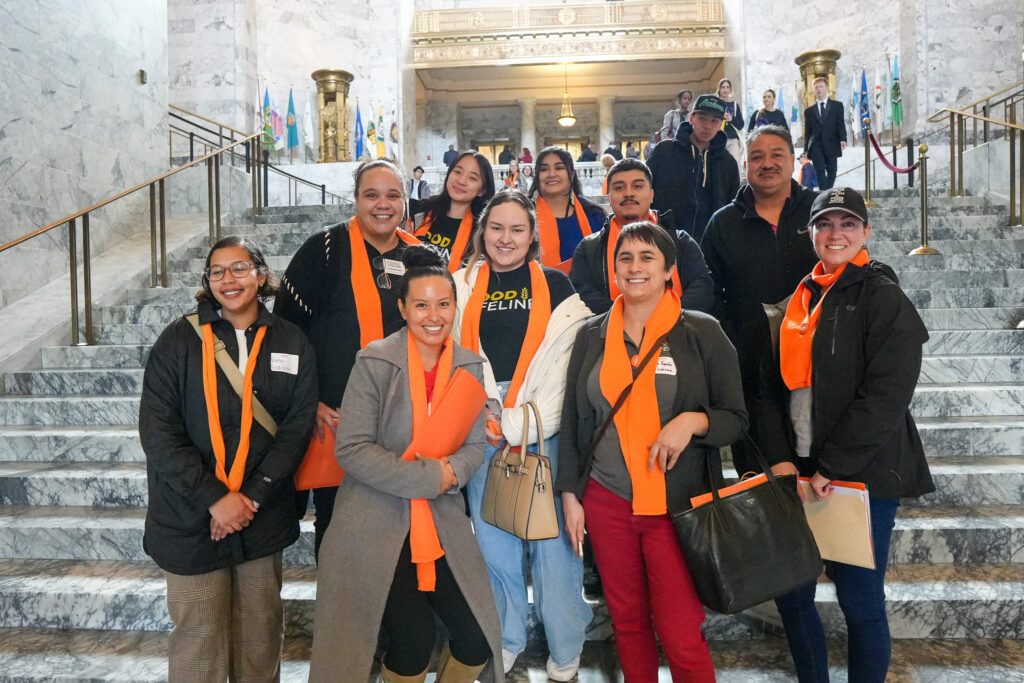

We joined hunger advocates from across the state February 10 for Hunger Action Day in Olympia.
It proved to be an eventful…

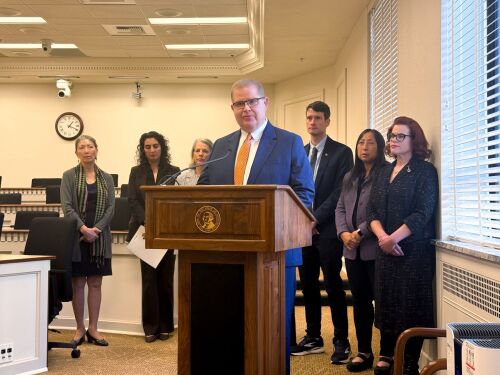
On January 23, Food Lifeline convened a press conference at the Washington State Capitol, joining forces with State Representatives Kristine Reeves, Darya Farivar, and…