Solar Power to Fuel Food Lifeline’s Impact
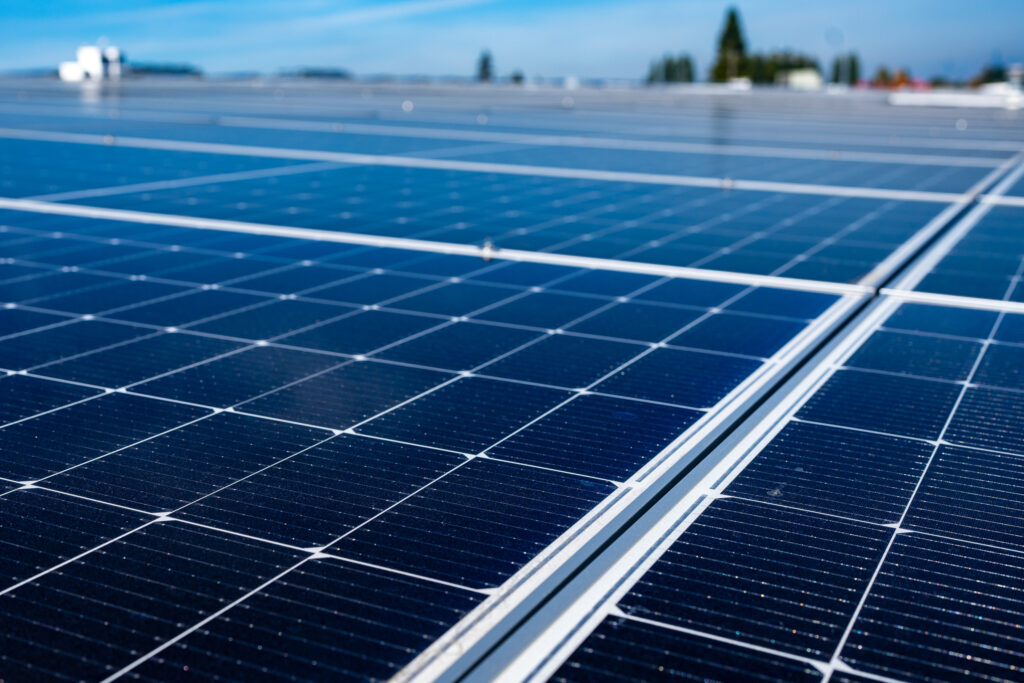
In the past four months, the roof of Food Lifeline’s Hunger Solution Center has been transformed into a complex structure to capture sunlight and convert it to electricity. A & R Solar designed a state-of-the-art solar panel system to maximize energy production and cut electricity costs to help us power our mission.
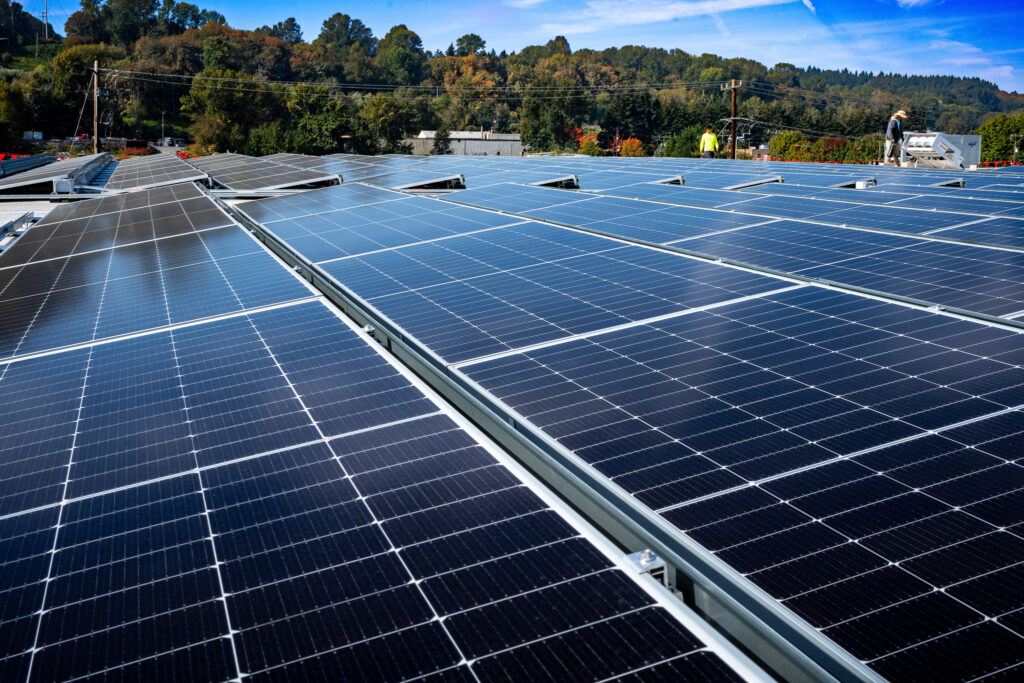
Installation of the solar array is 90% complete, and it’s big.
How big? 50,000 sq ft. Depending on your favorite sport, that’s the size of…
An entire professional football field
Three professional hockey rinks
Four Olympic-sized swimming pools
11 professional basketball courts
18 Championship tennis courts
It’s so big, it’s in Seattle’s top 1% largest solar installations.
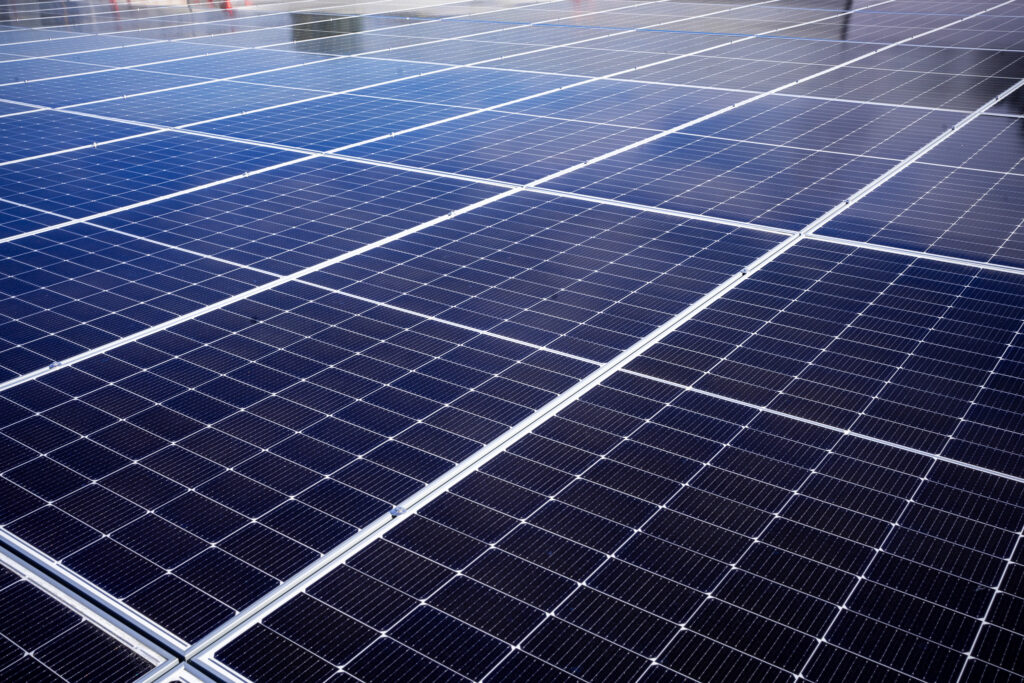
1413 panels are arranged in 15 arrays. Every panel is monitored individually, 24/7, 365 days a year, ensuring peak performance no matter the weather.
Speaking of weather, this installation is built to withstand winds of 98 mph, well above Seattle’s highest recorded wind gusts of 70-80 mph. The arrays are anchored at 1200 separate points with 16,000 pounds of ballast, securing the installation for the most severe storms.
With a solar energy system built to last, Food Lifeline will be able to offset most of its energy use throughout the year. The system is also connected to a sophisticated data analysis program, so energy use across the facility can be optimized as seasonal patterns are established.
Why so Big?
Using every available square foot of roof space for the array helps prioritize resources for our mission of ending hunger. Inside our 80,000-square-foot warehouse, fresh produce, protein, eggs and dairy fill a 13,149 square-foot cooler and freezer, ready to be distributed to our agency partners. Our operation uses a lot of energy!
Delivering electricity from the array to Seattle City Light/s energy grid will lower our utility bills and return $4000-12,000 per month to our budget. Meanwhile the green energy generated by the array will reduce carbon emissions.
“It takes a tremendous amount of energy to keep a facility like ours running every day, so finding ways to reduce those costs is important. What makes this project especially exciting is that we’re not only improving the efficiency of our operations and reducing our environmental impact but also creating long-term savings that help us make the most of our resources. It’s a smart investment in the long-term sustainability of our organization and the work we do across Western Washington.” Amythst Shipman, Director of Business Operations.
When is the Big Day to Flip the Switch?
On October 30, daily operations at the Hunger Solution Center will be paused so that the solar array can be connected to the main power supply. Final inspections and systems checks will follow. The solar panels will be officially in service mid-late November. We’ll update you with our progress, as we begin this new chapter of energy production.