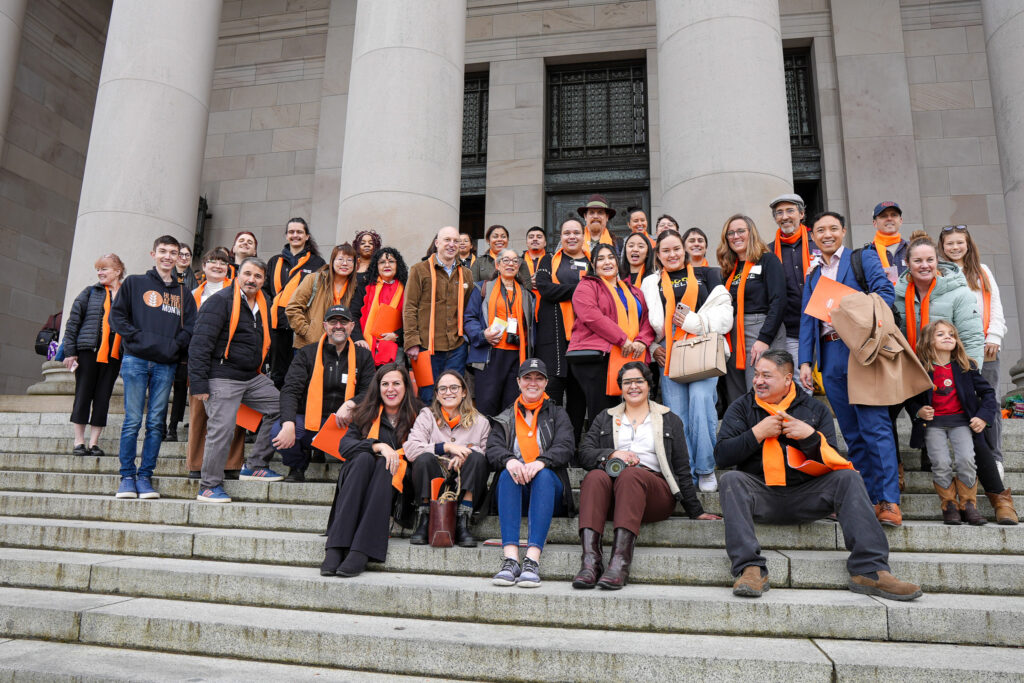
Beyond the Food Bank: What Washington’s Legislative Candidates Are Saying About Hunger
Hunger is more than an empty plate. And increasingly, the conversation about solving it extends far beyond the food bank.
That is one of the most interesting findings from Food Lifeline’s 2026 Vote to End Hunger Candidate Questionnaire, which invited every candidate for the Washington State Legislature to share their perspectives on food insecurity and its solutions.
The questions themselves began in our communities. Food bank and food pantry leaders across Food Lifeline’s network helped identify what they most wanted candidates to understand about hunger. Their input shaped three questions addressing the food security safety net, the underlying causes of hunger, and opportunities to strengthen Washington’s food and agricultural system.
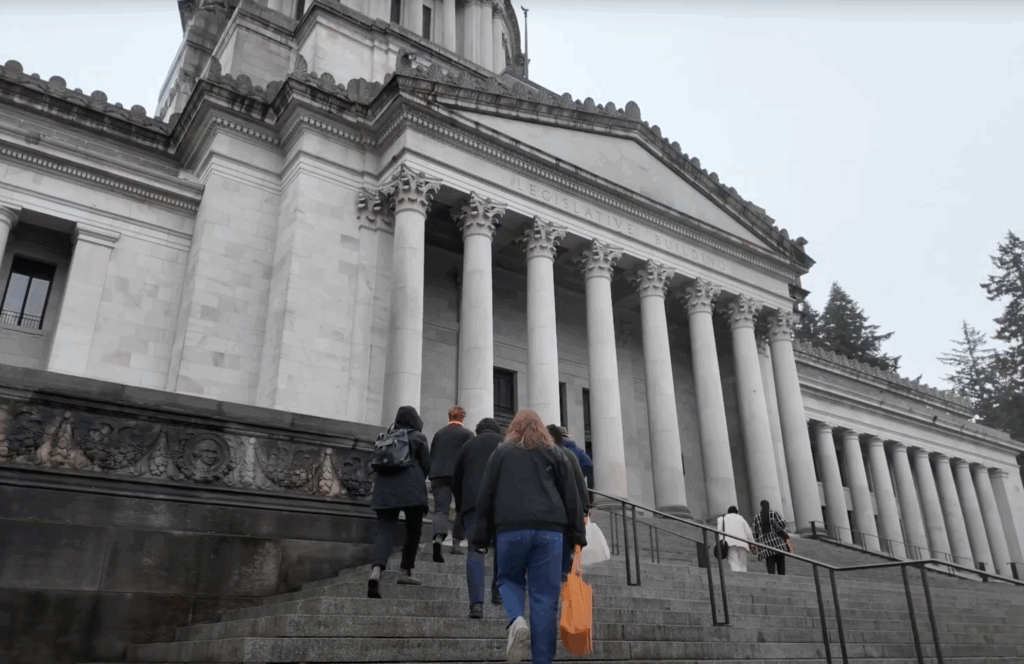
What we learned was both encouraging and revealing.
Across 5o responses, candidates frequently described hunger not simply as a lack of food, but as the consequence of interconnected economic and community conditions. Housing, healthcare, childcare, transportation, wages, and the cost of groceries all emerged as important considerations.
Candidates also recognized connections between public nutrition programs and charitable hunger relief. Many discussed the distinct but complementary roles of SNAP, school meals, food banks, and other community resources.
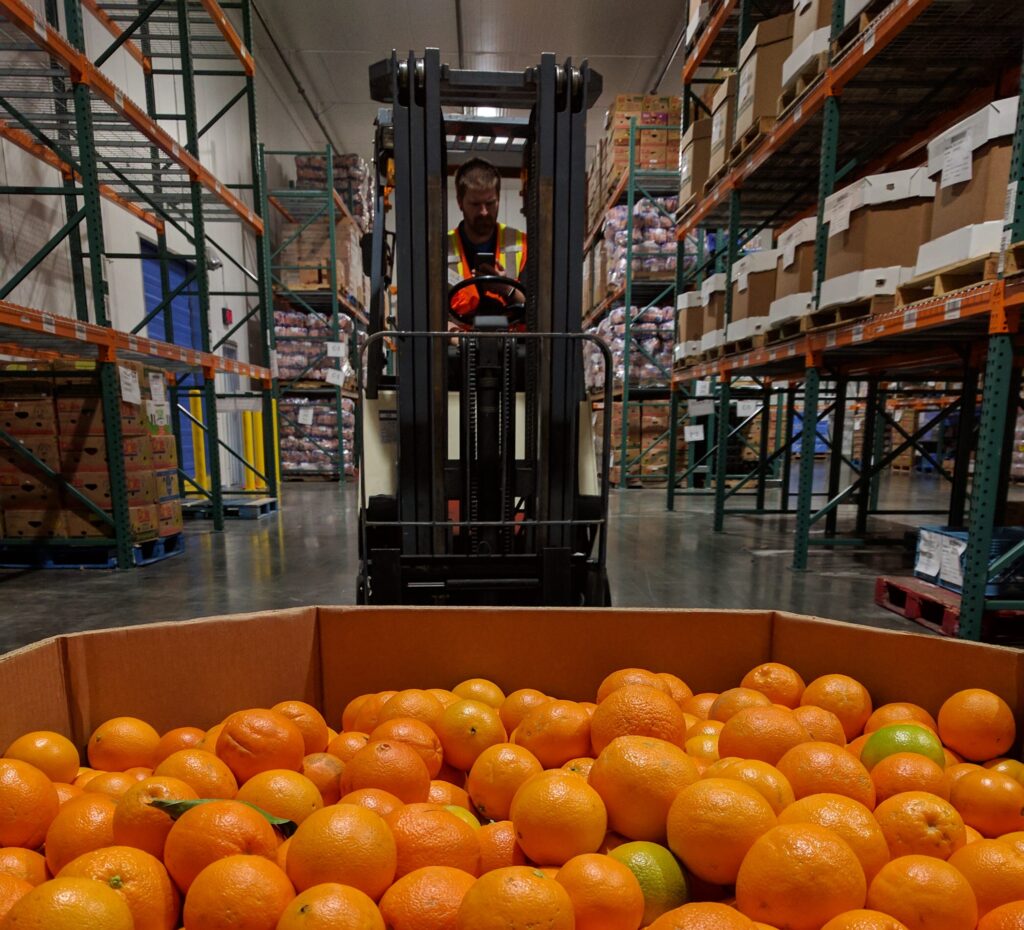
Another recurring theme was Washington agriculture. Candidates explored opportunities to connect local farmers and producers with communities, strengthen food distribution, and recover nutritious food that might otherwise go to waste.
But recognizing the same challenges does not mean agreeing on how to solve them.
Candidates expressed different views about government investment, taxation, regulation, public benefits, private-sector responsibility, and the role of community organizations. Those differences matter. They reveal the choices lawmakers will confront as they consider how best to strengthen food security.
Perhaps the most important insight is that hunger is increasingly being discussed as a challenge involving many parts of society. Families, farmers, businesses, schools, nonprofit organizations, and government all have roles to play, even when people disagree about what those roles should be.
And that brings us to the importance of community participation.
Food banks see the consequences of hunger every day. They also hear directly from people navigating difficult choices about groceries, rent, utilities, and other necessities. Those experiences offer essential knowledge for public decision-making.
When community members share their experiences, ask candidates questions, participate in public discussions, and engage with elected officials, they help ensure that the realities of hunger remain visible beyond the election season.
Our questionnaire is one way to encourage that exchange. It offers voters an opportunity to consider candidates’ ideas, understand their differences, and bring their own experiences and priorities into the conversation.
The election will determine who serves in the Legislature. The work of understanding and addressing hunger will continue long afterward.
We invite you to read the candidates’ responses, consider their perspectives, and participate in the ongoing conversation about how Washington can ensure everyone has enough nutritious food to thrive.
Food Lifeline is a nonpartisan 501(c)(3) organization. All legislative candidates were invited to participate, and responses are published as submitted. Food Lifeline does not endorse or oppose candidates.