


Washington State Launches First Statewide Food Security Strategy
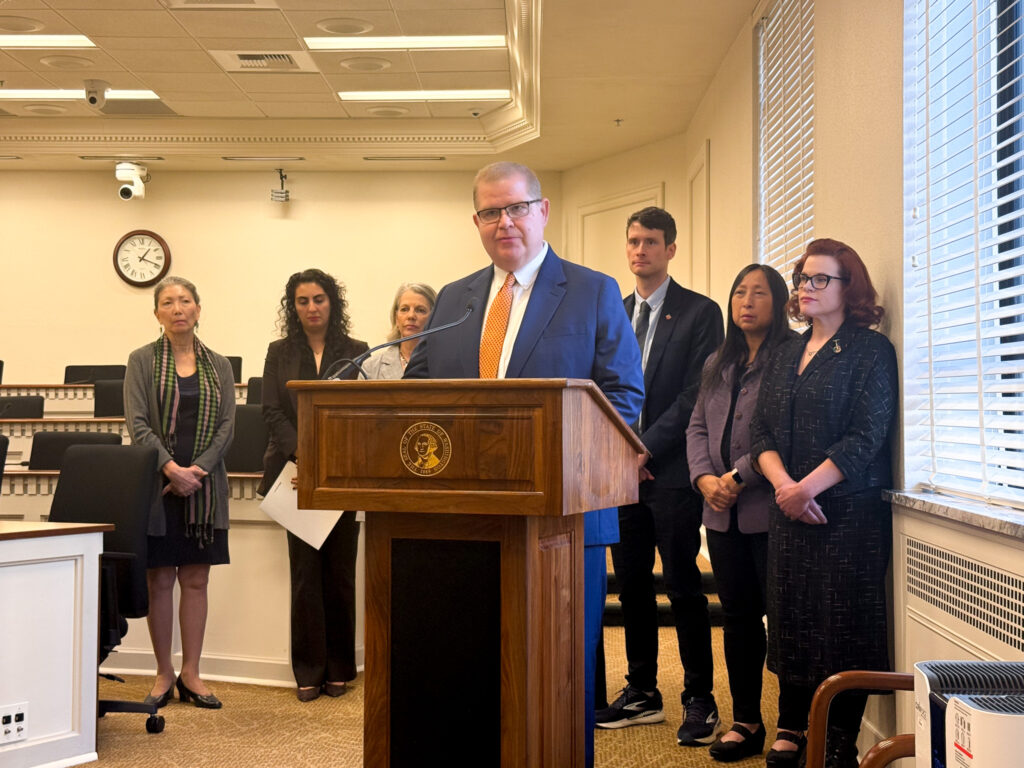
PHOTO: We joined hunger advocates from across the state February 10 for Hunger Action Day in Olympia. It proved to be an eventful day, as we were there to see the Statewide Food Security Strategy Bill (HB 2238) voted off the House floor – and to snap a celebratory selfie afterwards with the bill’s sponsor, Rep. Kristine Reeves.
With the passage of HB 2238 in March 2026, the Washington State Department of Agriculture (WSDA) has officially begun developing the state’s first comprehensive Statewide Food Security Strategy, which is a major step toward addressing hunger and strengthening long-term food access across Washington.
The strategy brings together a broad coalition of partners, including the Department of Social and Health Services (DSHS), Department of Health (DOH), Office of Superintendent of Public Instruction (OSPI), tribal nations, food banks, agricultural stakeholders, and community organizations. Together, these partners will help shape a coordinated statewide approach to improving food security for Washington residents.
The effort comes at a critical time. Families across the state continue to face rising costs for groceries, rent, transportation, healthcare, and childcare, making it increasingly difficult to consistently afford nutritious food. While emergency food systems and federal nutrition programs remain essential, state leaders recognize that addressing hunger also requires tackling the underlying economic and systemic barriers that prevent people from accessing food in the first place.
A key component of the strategy is collaboration with communities directly impacted by food insecurity. Tribal leaders, food banks, schools, and local organizations will help inform recommendations to ensure the strategy reflects the realities families are facing in both urban and rural communities across the state.
Washington’s new initiative also reflects growing recognition that food security is closely connected to health, education, economic stability, and community well-being. Reliable access to nutritious food improves health outcomes, supports children’s learning and development, and helps families remain financially stable during times of economic uncertainty.
As the planning process moves forward, advocates and community organizations will play an important role in shaping policies and solutions that create a stronger, more equitable food system for all Washingtonians.