


Teens Driving Community Solutions
The colorful halls of the Triumph Teen Life Center in Mount Vernon crackle with energy, as the joyful sounds of laughter and fellowship echo throughout the building. Students here usually focus on homework or attending classes. But this afternoon, they’re discovering their unique power to serve by helping provide nutritious food for their community.
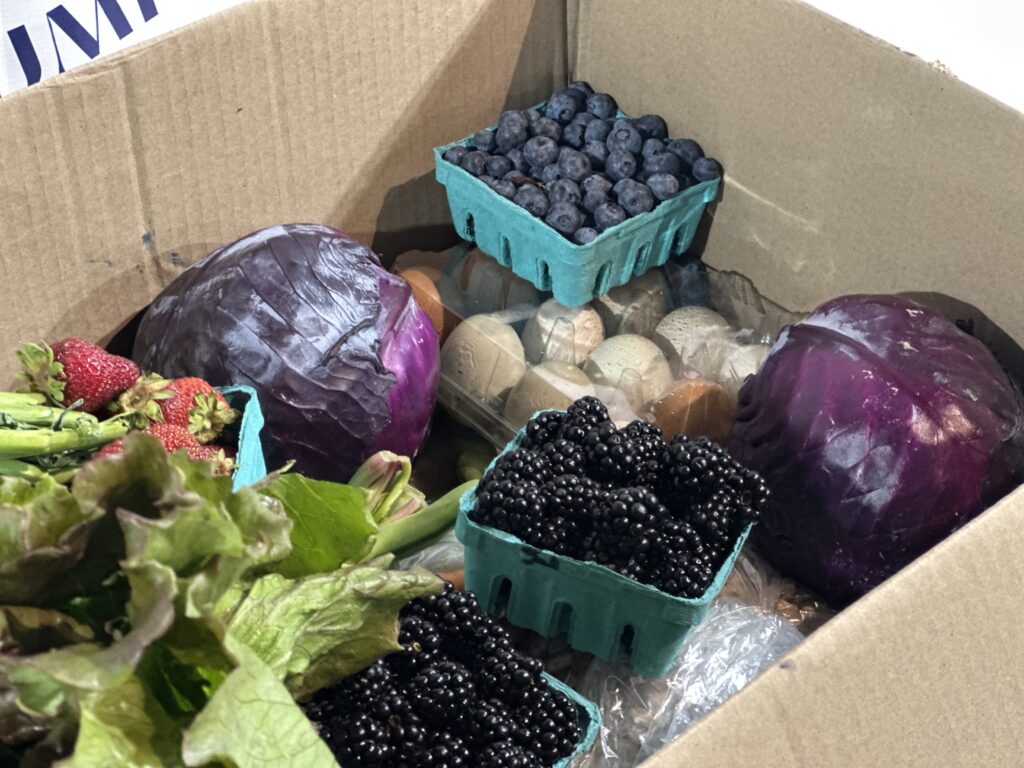
Teens carefully line up cardboard boxes in the building’s community room. The boxes contain a beautiful collection of locally grown fruits and vegetables, providing multiple meals for more than a hundred community members who will visit today.
Thanks to a partnership with Food Lifeline and its Community Food Sovereignty Fund, Triumph is filling these boxes with 12 different organic foods, grown by 12 individual BIPOC farmers. The boxes contain lush greens, sparkling berries, bright orange carrots, red radishes, and even a half dozen farm-fresh eggs.
“We have a farmer that we’ve worked with for a long time, who added hens to his operation,” says Triumph Director Silvia Alvarez. “He said, ‘Would you like some eggs?’, and we said, ‘Absolutely!”
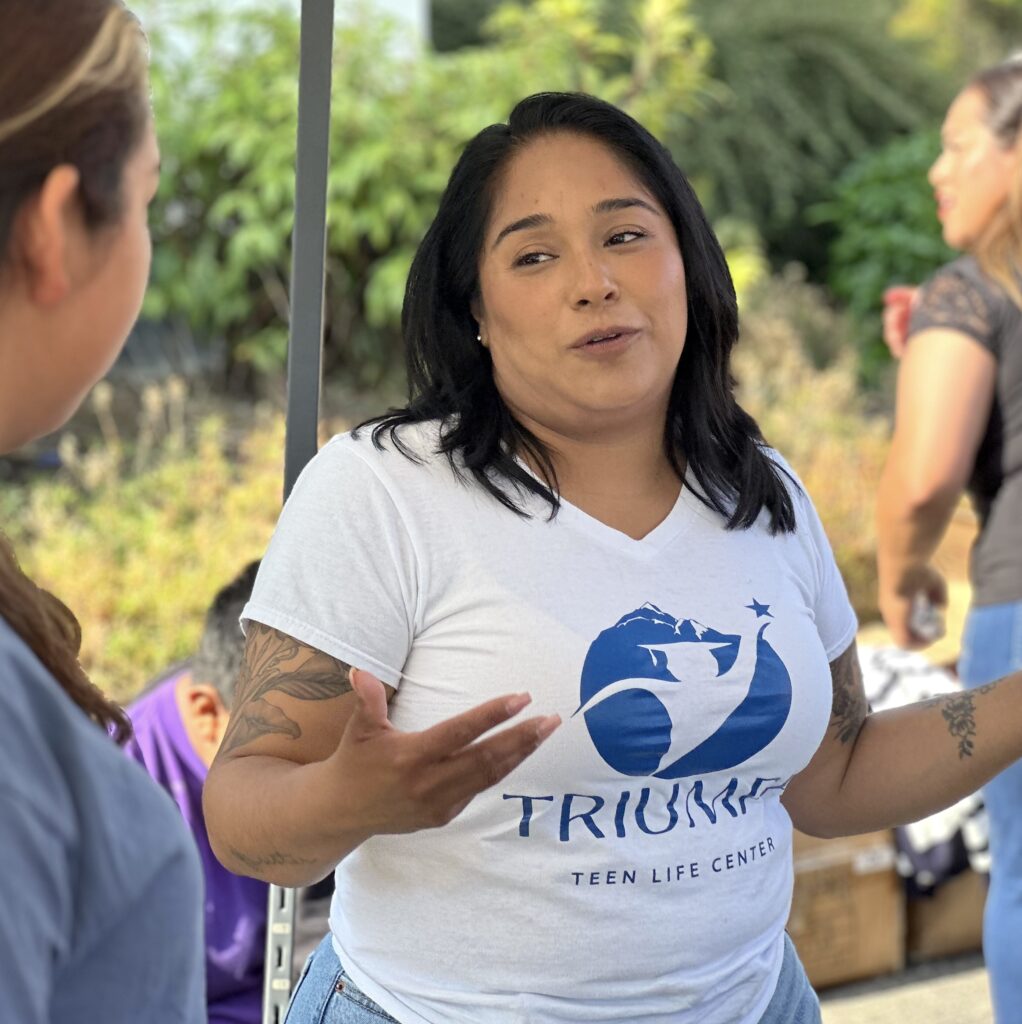
Food is essential to Alvarez and her team’s community-building efforts. The group’s work includes a weekly food bank, emergency food assistance, and food education, with food sovereignty as the North Star. Alvarez and her team are helping the community regain control of food production, purchasing, and distribution, resulting in a new food system. Today’s distribution is an example of its partners creating community resilience.
“Food Lifeline is helping us support and grow our community”, says Alvarez. “It’s pretty big to receive organic produce directly from the farmers. People receiving a box of organic foods without pesticides changes everything. It’s more than just a box of food; it’s health.”
And the foods they receive are traditional.
“The meals they create with these foods are more than just meals. They are connected to our roots. The growers understand what we need, and finding these foods is hard. And because these foods are grown locally, they are affordable.”
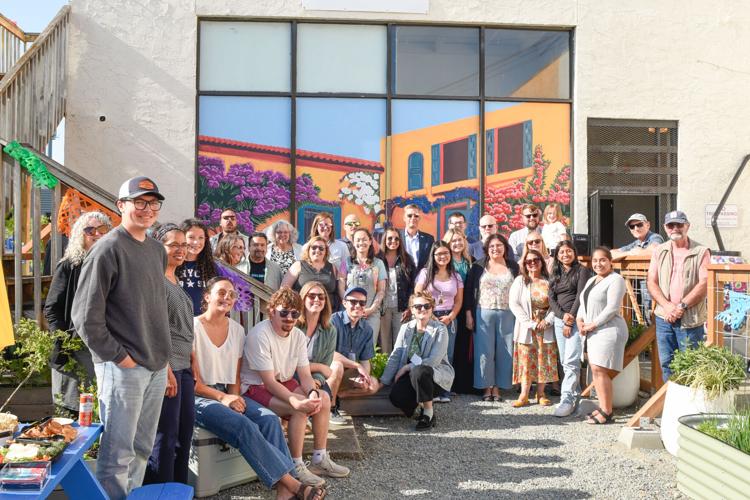
The Triumph Teen Life Center is growing its community from the inside out. While its name describes serving youth, the teens here learn by serving the community. This model uplifts lives and creates cultural cohesiveness.
However, political challenges are creating barriers for this mostly Hispanic community. According to Alvarez, the fear of new national immigration policies and enforcement is trapping many in the shadows, beyond the community’s reach. She says that identifying and serving these neighbors is difficult at best.
“We have to reach out to a lot of people. Sometimes it means delivering food to a house at a time. A big part of it is letting people know that they have support. That they’re not alone. But it takes time and people,” says Alvarez. “It’s hard because our farmers are also living in fear. At one point, they were “essential workers” and are now considered criminals.”
The recent reduction of SNAP benefits and Medicaid funding is another looming challenge. Even though it’s unclear how much the cuts will impact this slice of Skagit County, it adds another layer of uncertainty to an already apprehensive situation across this community.
But Alvarez says her team will keep doing the work.
“We have to. This isn’t seeing something from afar. This is our community, we are in it. We are the ones struggling with our families, so we keep going.”
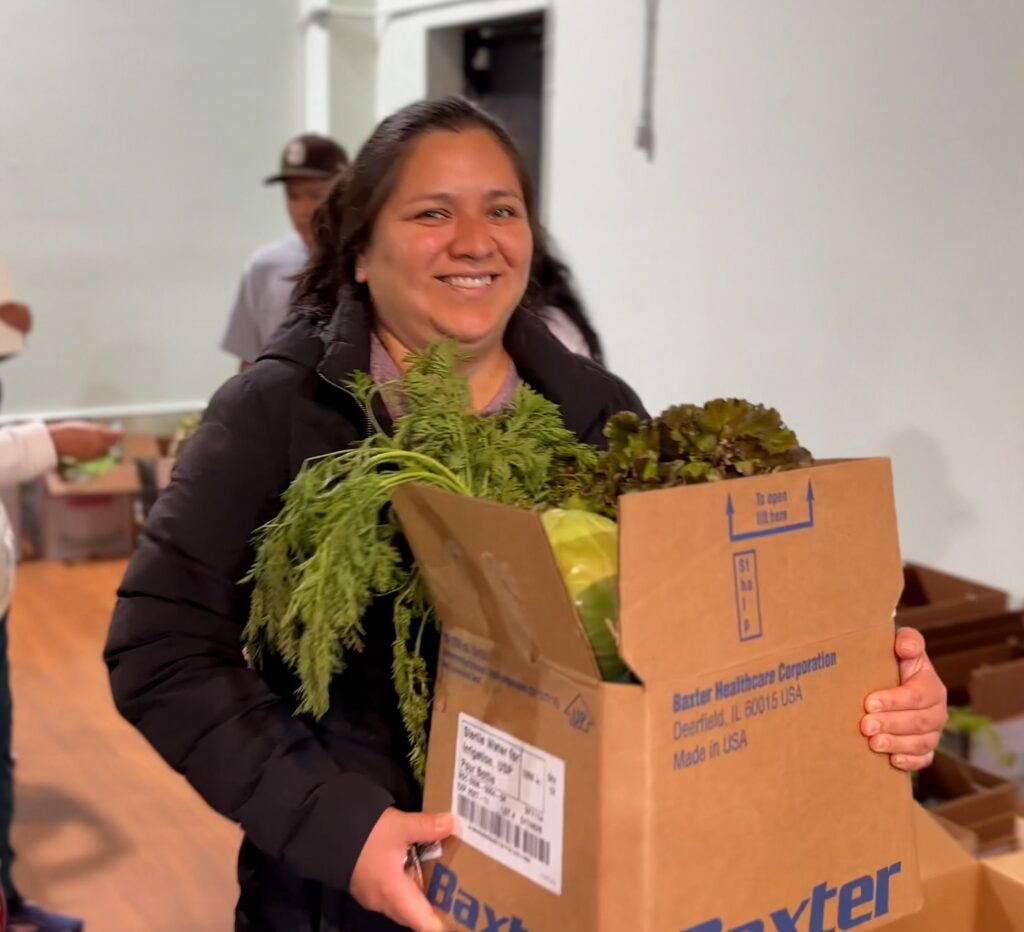
As the families begin to show up for today’s event, the teenagers assist them with picking boxes and carrying them to nearby cars. Hugs and smiles are everywhere—the pure joy that arises from simple acts of caring.
This next generation of leadership is receiving the gift of empowerment and returning it with their energy, strength, and kindness. They are learning not only in the classroom but also in the open arms of their community.