


North Whidbey Help House
Oak Harbor is one of the most picturesque locations in Western Washington. From downtown, you can see the Cascades, the Olympics, and Camano Island. But just behind the local businesses, you’ll find an old Victorian-style home that’s home to the North Whidbey Help House. For more than 45 years, this community food bank has served residents experiencing food insecurity.
“We serve about 475 families every month”, says Executive Director Jean Wieman. “That’s about 1,200 people.”
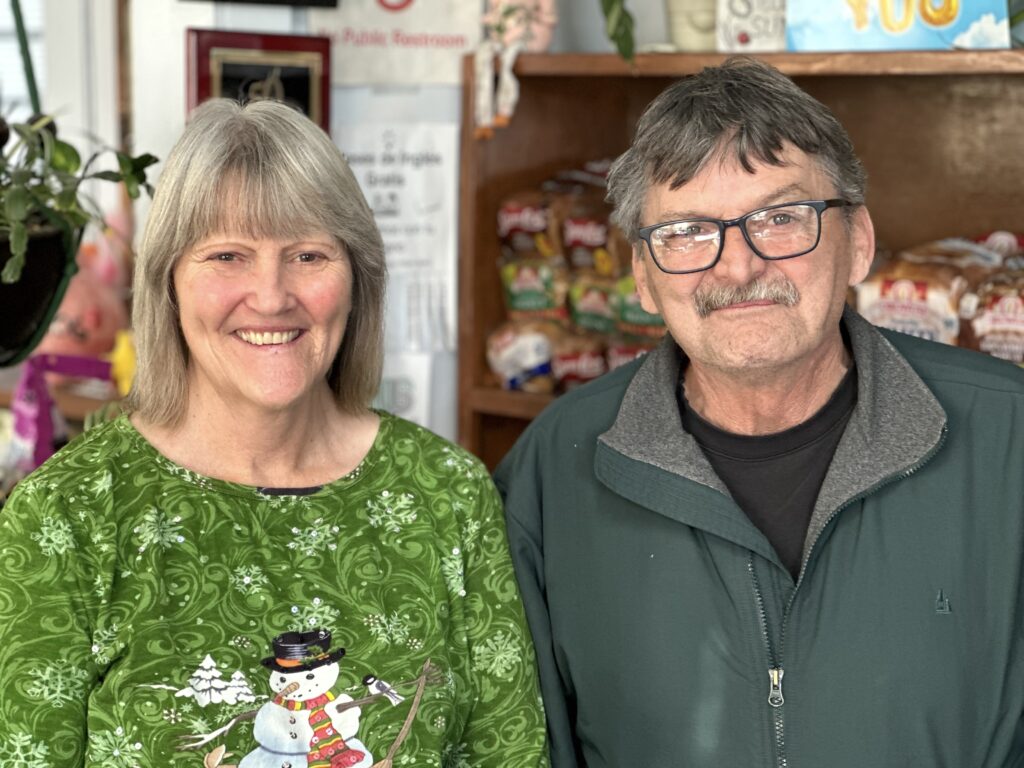
Unlike most food banks, North Whidbey Help House is open five days a week and feels more like a neighborhood coffee shop than a food distribution outlet. There are no lines and no paperwork. Neighbors drop in once a month for a supply of food staples and are welcome back as often as twice a week for fresh produce and bakery items.
“We are so blessed to have them in the community,” says Krysta Beshirs, a regular guest here. Krysta is a single mother with three children who tries her best to make ends meet with a single disability check every month.

“I try to budget as best I can, but sometimes, with high grocery prices or things that just happen in life, we need the extra help.”
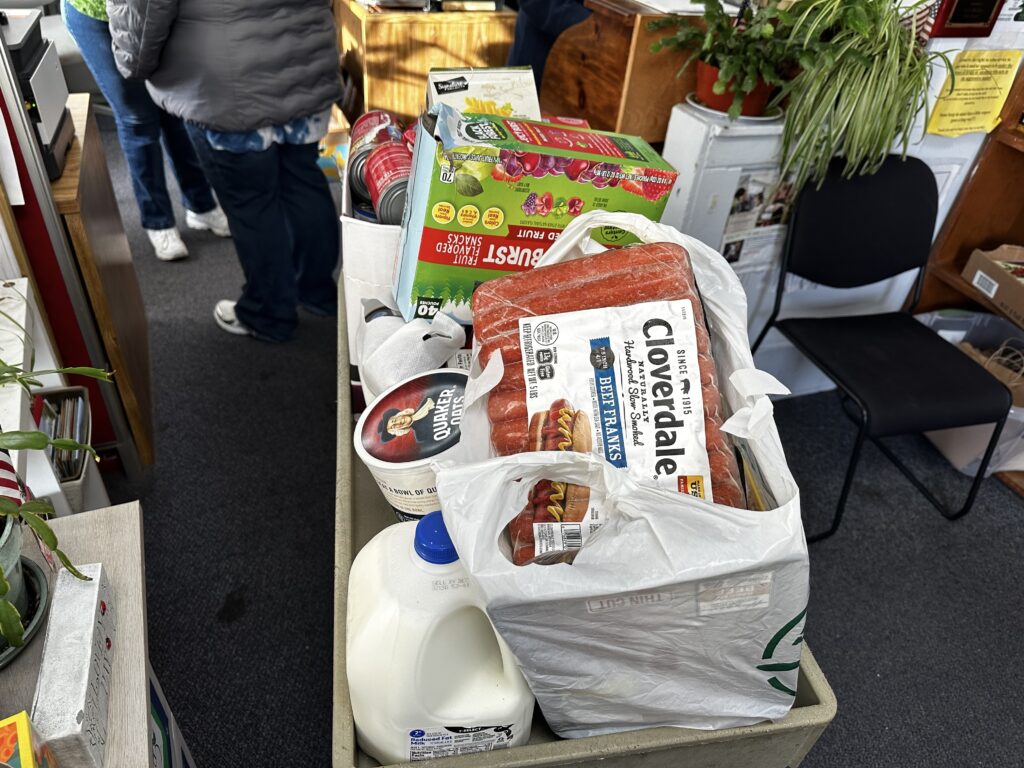
Without a car, Krysta and one of her daughters walk here with a borrowed grocery cart. Today, they’ll leave with several bags of groceries, which include proteins and dairy products. She says she budgets as best she can, but it can be overwhelming.
“Sometimes the groceries will last the first two to three weeks of the month., but that last week can be really hard.”
Help House began partnering with Food Lifeline in 2015. They receive regular food deliveries and have four grocery stores from which they receive surplus food.
“We’re seeing this increase in the number of families that are coming in, and so that extra food we get from Food Lifeline, at a much better cost, has made a difference.”
With a budget of just over $225,000, they say the partnership with Food Lifeline increases their distributions while lowering their costs.
“Last year, we spent 8k on Thanksgiving; this year, we only spent 5k,” says Wieman. “That’s a great impact for us.”
Food Lifeline also helps with culturally relevant foods. According to Shawn Durbin, Help House’s Assistant Executive Director, their clients are becoming more diverse.
“We serve Filipino families and Hispanic families now, and it really helps to source the foods they are asking for.”
The Help House still struggles with sourcing fresh produce but is currently working with small farming groups to increase the amount of quality fruits and vegetables available to their guests. With the continued help from neighbors, the Help House team feels confident they’ll make it happen.
“We receive so much community support,” says Wieman. “We only have 51,000 people on the island, but we raise 85% of our funding directly from residents. That’s pretty amazing.”