


Mobile Market Serves Skagit County
It looks just like a neighborhood block party. Orange cones block the street, music plays, and children and families share laughter and conversation on this beautiful day. But it’s much more than a block party here in Burlington, Washington.
Today is a celebration of community, a chance for neighbors to share an experience and create bonds. It’s called “Community Connect,” a free, day-long program that helps provide essential services for individuals and families across Skagit County.
“We have several organizations that have come together to provide essential services for Skagitonians,” says Skagit County Public Health representative Lani Miller. “We have food for people to take home to their families, emergency dental services, a pet grooming van, and a place to sign up for food stamps and other services.”
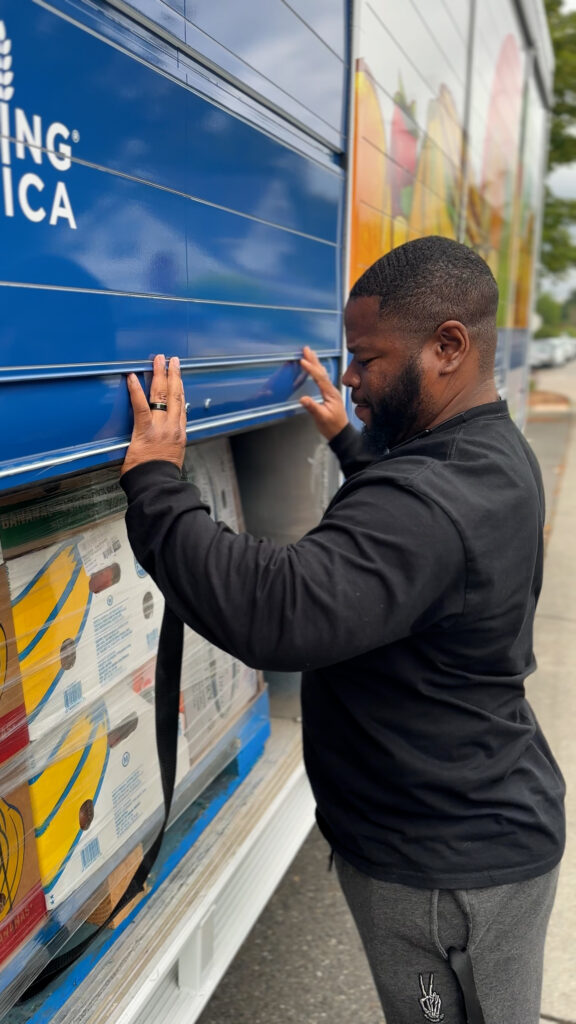
Today’s food is delivered by Food Lifeline’s brand-new Mobile Market truck, which is stocked with apples, potatoes, celery, cucumber, cabbage, treats, and gifts for the youngsters.
Because Skagit County is one of the largest food producers in the state, with 90 different crops, you might not expect food insecurity to be a problem.
“One of the things that we take for granted,” says Lani, “is having food to put on our plates at home. Here in Skagit County, we have a pretty high rate of food insecurity, so being able to come here and see fresh produce, especially items that people can take home to keep them healthy, is a very good thing.”
Irene Fajardo is here today with her three daughters, one of whom, Aaliyah, is helping create the highlight of the day – a Hispanic folk dancing show presented by 30 of the community’s youngest residents. The group performs several dances to the delight of friends, parents, and neighbors. Their traditional costumes reflect the rich and proud history of their culture, while their show brings smiles and elicits joyous cheers from the crowd.

“I don’t know how she remembers all the steps!” says Irene as Aaliyah expertly lands every move. “She’s worked really hard.”
After the show, Irene and Aaliyah make a fun game of picking out fruit and produce at the Mobile Market. Aside from the rising prices of everything from food to rent, Irene says food banks and food programs have been beneficial for her family during a long illness.
“I’m currently getting over a health crisis that I had,” says Irene. “I was hospitalized from last November to April. So, having the resources available to get food has been nice. Even diapers and wipes – whatever the kids need. It’s been helpful.”
Especially when school’s out.
“It’s harder during the summer because they’re growing kids, they like to run around and play, and they’re always asking for snacks, and snacks go pretty quick. Apples, oranges, carrots, all that good stuff.”
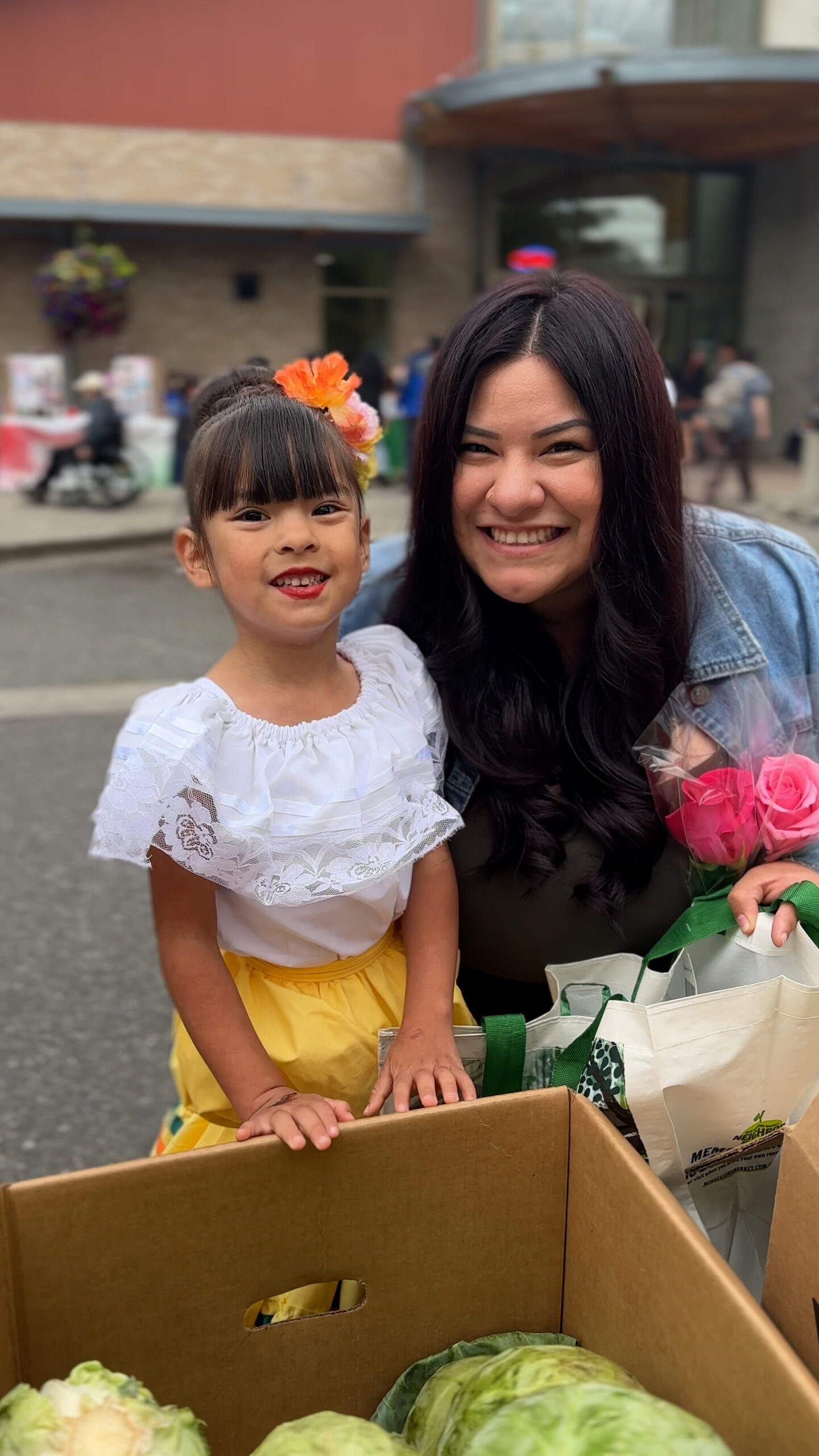
With a bag full of produce, Irene and Aaliyah make their way past the other service booths, stopping here and there to grab a flyer and chat with representatives from different organizations.
Skagit County has a large population of Hispanic families, just like Irene’s, who have grown and thrived here for generations. However, the current political climate is creating a public safety crisis for these neighbors nationwide and in Skagit County.
I run into Jose Ortiz at today’s event. He and his wife manage the Tri-Parish Food Bank here in Burlington, a partner of Food Lifeline. We shared a popsicle and caught up. When I asked him about the impact of immigration enforcement, he just shook his head sadly.
“They’re not coming in,” he says. “We don’t know where many of them are.”
That makes today even more remarkable. However, for Skagit County Public Health, continuing to serve when things are difficult is the only path.
“A lot of these people here today, they’re having doors closed on them,” says Lani. “But we’re here today hoping to ‘open’ doors for them.”
Because in the end, these are our neighbors.