


Legacy Outreach: A Gift That Will Change A Coastal Community
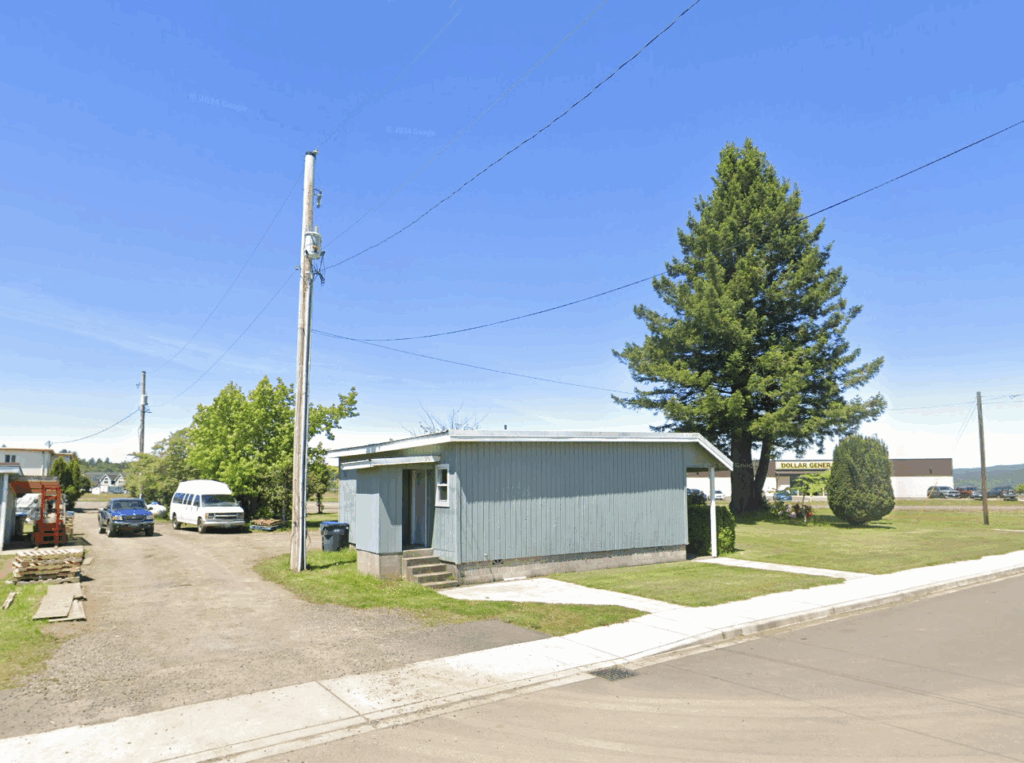
Legacy Community Outreach is located in a small building along a quiet stretch of road in South Bend, Washington. Every Wednesday at noon, this community center buzzes with energy. Local residents drive their cars into the check-in lane to receive produce, pantry staples, and whenever possible, protein and dairy. Volunteers greet their neighbors with warmth as they pick up their groceries.
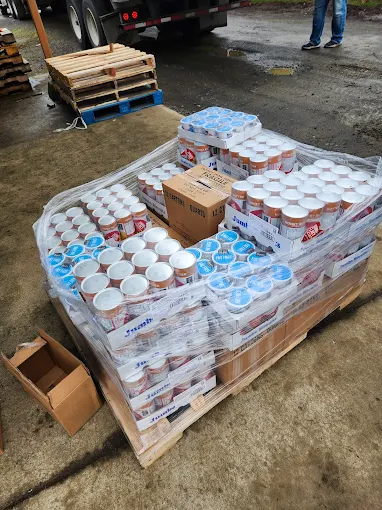
“We ask people to come other week, so we can stretch out our food, but if someone is out of food, we want them to come in. No one gets turned away.” – Cindy Terell, a board member of Legacy Community Outreach Food Bank.
For years, Legacy Community Outreach Food Bank worked while missing one essential tool: a reliable vehicle to pick up food from partner agencies or store extra donations during the colder months. On the Pacific coast, storms arrive fast. Food that couldn’t be protected often spoiled before the next distribution.
Cindy searched for different funding opportunities for a truck. She applied for grants, but most covered expenses for food purchase or operations, not equipment and infrastructure.
Meanwhile, an opportunity opened up through Food Lifeline. The food bank maintains a fleet of trucks used by in-house drivers to deliver food to partner agencies that are located hours away from Hunger Solution Center, or who don’t have their own large vehicles for pick-ups. When one of the Food Lifeline trucks was no longer needed in the fleet, the team looked for a way to keep this asset in service.
“My team reached out to the network to see who might have transportation needs and we then used an equity filter to determine that Legacy Outreach was the best candidate to receive this donation.” Craig Gibson, Director of Agency Programs, Food Lifeline.
Legacy Outreach is one of only two partners we have in Pacific County and it is an underserved area compared to the other counties we partner with. This was an opportunity for us to help build their capacity to bring in more donations as they often have to drive long distances to pick up food from retail donors.
When Legacy Outreach was given the truck from Food Lifeline, Cindy was stunned.
“It was a godsend, I expected something small. When I saw it, I was speechless.”
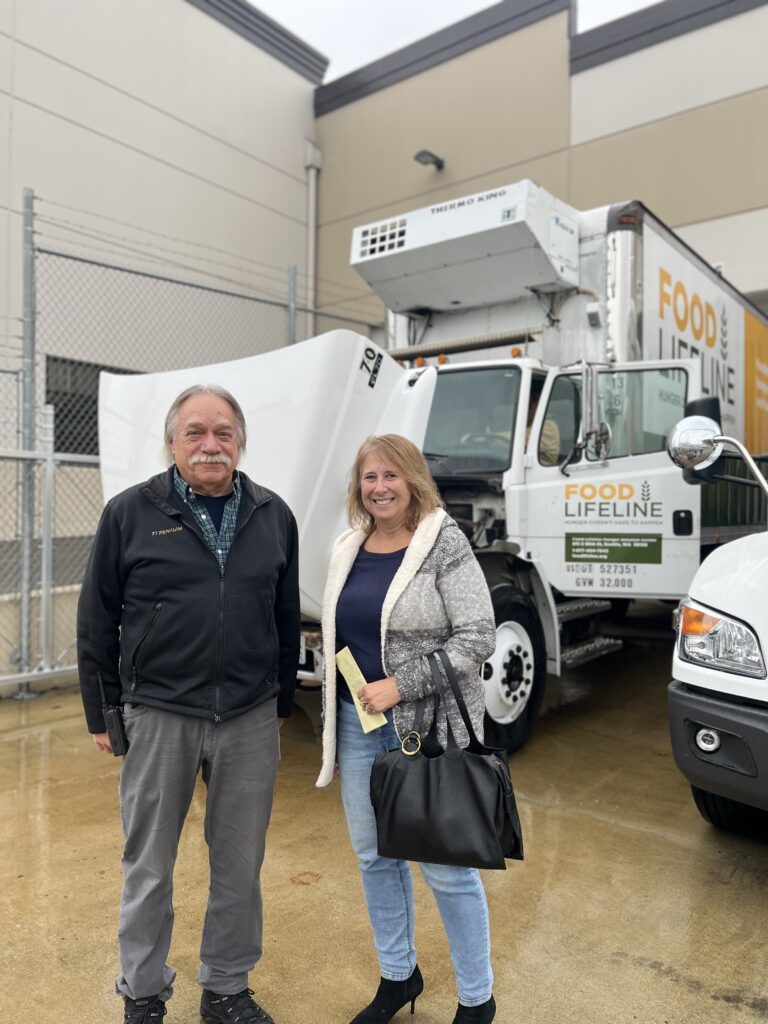
This 24-foot refrigerate truck is much more than a piece of equipment filling a gap. In a place shaped by long distances and unpredictable weather, the truck means expanded capacity, farther reach, and more resilience for the community.
Legacy Outreach can now travel for scheduled food pick-ups, instead of waiting for deliveries. The truck can store donations safely so the food bank can accept more produce and potatoes for more neighbors.
Cindy Terrell lives outside Raymond, Washington, 5 miles east of South Bend In a relatively isolated stretch of Pacific Ocean coastline.
The loss of logging and other industries in this area has strained the local economy. A third of the area residents are elders. Some are veterans. Many are living below the poverty line. Here in small, rural towns like South Bend and Raymond, food insecurity often sits unseen behind closed doors, in homes where people are doing their best to get through the week with limited resources.
“The community is about 2,500 people. We serve about 700 people every other week, so it’s a community that is very, very close-knit. Everybody looks out for each other, and helps each other out”, Cindy shared.
Inside the food bank, the volunteer team cares for their community, going above and beyond food distribution. They offer recipes for nourishing meals that can be made from the week’s ingredients. When deliveries include unfamiliar fruits and vegetables, they suggest tasty ways to prepare them.
“Think about the people in the communities that don’t have. It’s not all homeless, it’s not all people that that don’t want to work. There’s a lot of people who have served our country and are older and they need the support of our communities to keep places like this open.”
Legacy Community Outreach Food Bank is where the community comes together – a small building open for a few hours every Wednesday, where volunteers do the best they can with what they have. And now, they have a truck that helps them reach the people who need them most.