Food Lifeline and Community Advocates Push for Policy Change at Feeding America Fly-In in Washington, DC
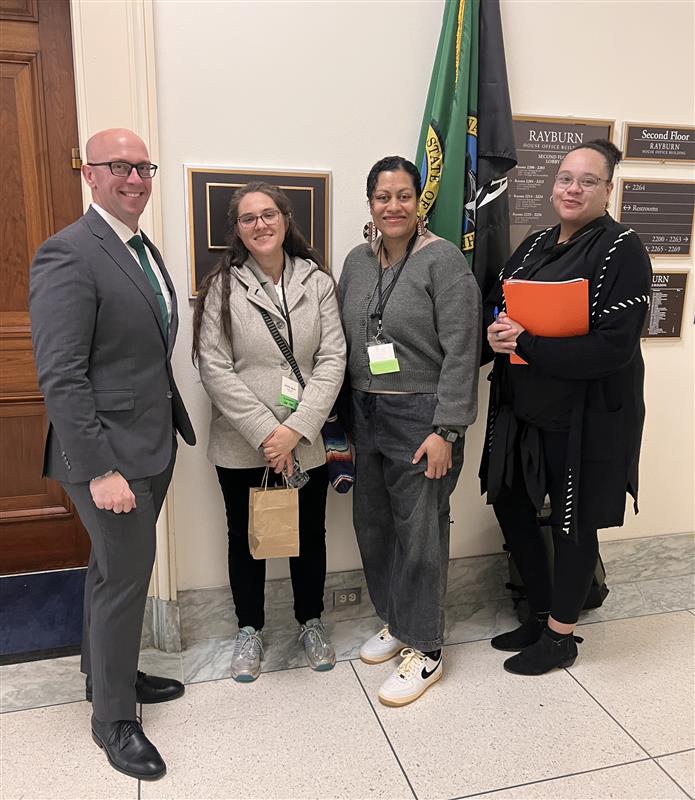
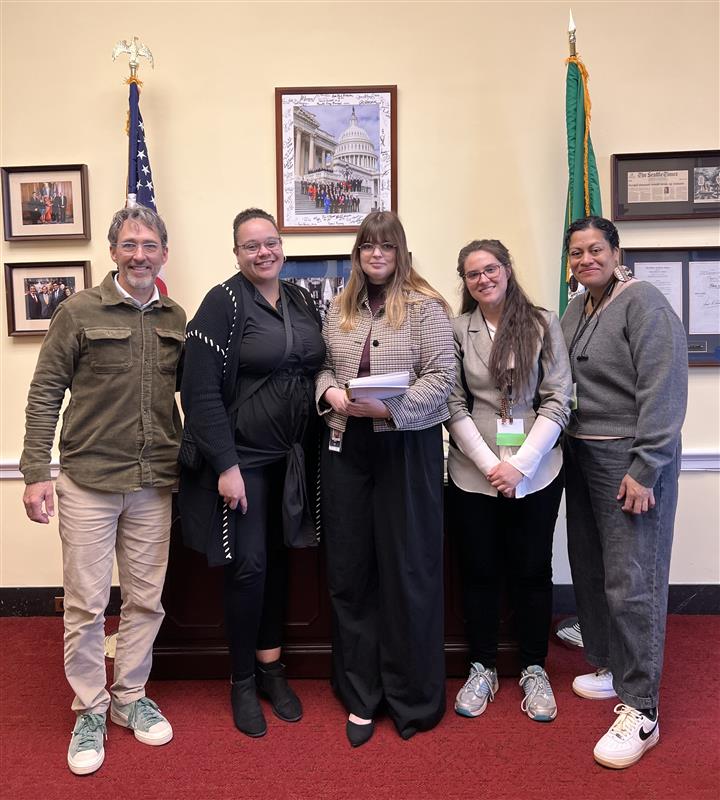
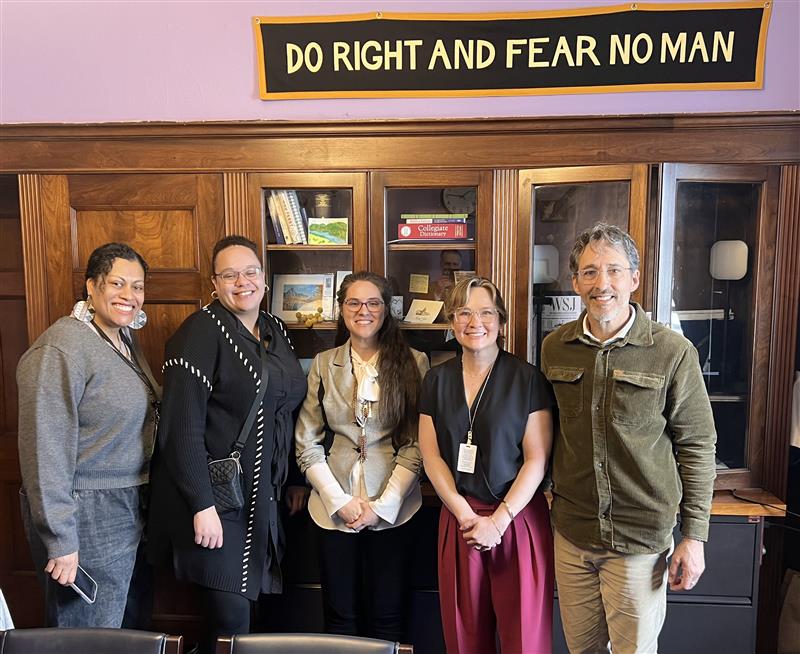
PHOTO: Aaron Czyzewski (Food Lifeline), Amanda Reeves (Food Lifeline), Mariah Baker (Policy Advisor for Rep Suzan DelBene), Jennifer Martin (Lummi Nation), and Rosi Bolatagici (PICA).
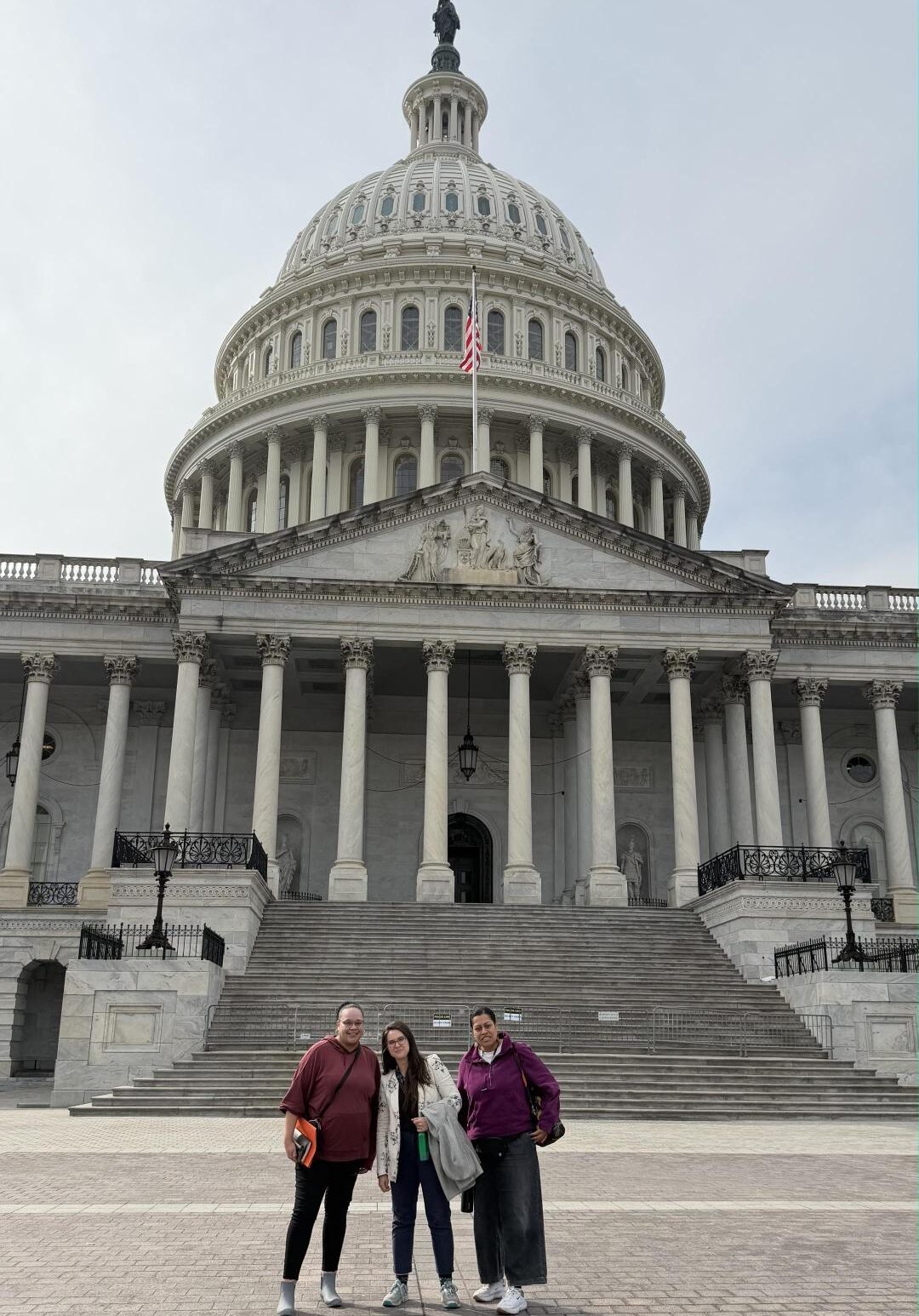
We recently attended Feeding America’s Fly-In in Washington, DC. A Fly-In is an opportunity for organizations like ours to meet directly with federal legislators to discuss what we are seeing on the ground in our communities and to advocate for policy changes that can make a real difference. This was the second year Feeding America invited community members to participate, and we appreciated the opportunity to spend meaningful time in Washington, D.C. with our network and community partners.
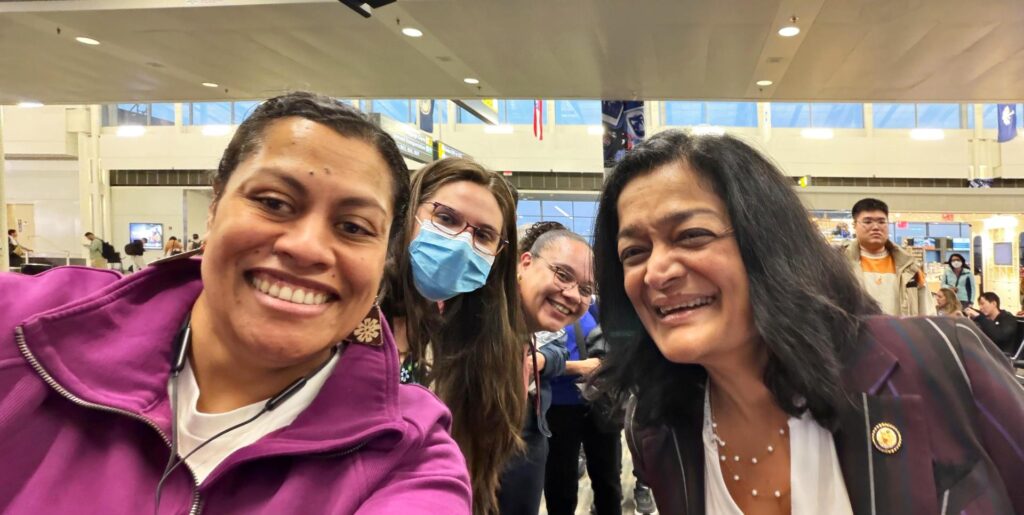
We were proud to invite two community members with us to D.C. Their voices helped bring lived experiences into conversations that often center primarily on data and statistics. While numbers are essential in policy discussions, they don’t always capture the full picture. Behind every statistic is a person, a family, a story.
This experience allowed us to help bridge that gap by connecting the numbers to the real people they represent—and to ensure that those most impacted are part of the conversation shaping solutions.
As Claire Babineaux-Fontenot, CEO of Feeding America, shared with community members: “You carry the gift/medicine for your community.”
“Tied into my advocacy for culturally relevant foods is my belief that food is medicine and that we need to be giving our communities food that will help them thrive instead of making them sick. It is so important that we (communities of color) start to decolonize the way we eat—just like muscle memory, I believe that our bodies will recognize the food we were given as children.”
—Rosi Bolatagici, Pasifika Food Networks Manager at Pacific Islander Community Association (PICA)
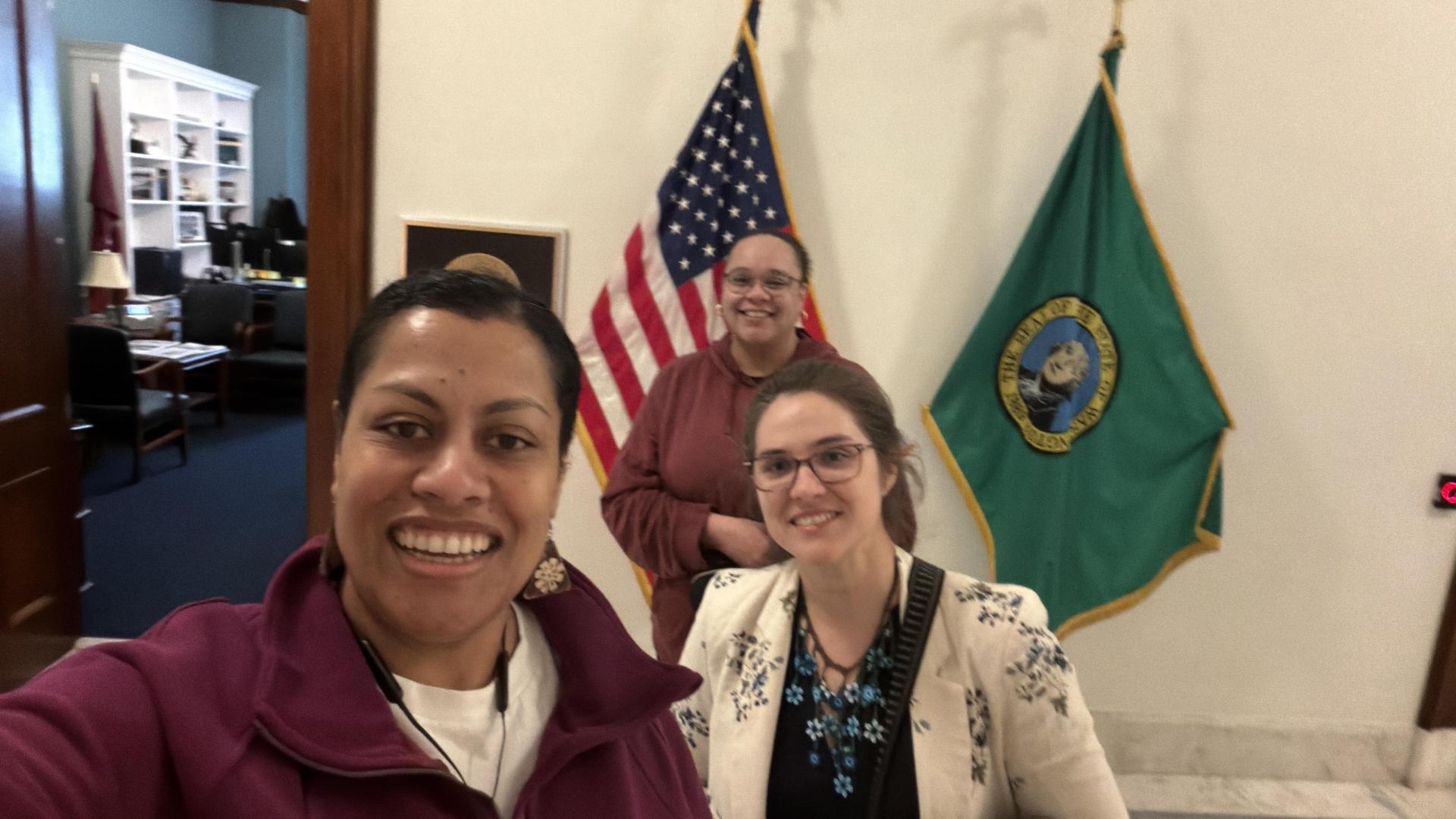
“I think the most impactful thing for me was simply to be able to be myself and speak the few words I know in my language in the place of power that has suppressed those things. It was such a wild contrast to go to the American Indian Museum and see all the policies banning Native Women from communicating with the US government, and then be able to be Cherokee in that space. It was also empowering to realize I actually am the expert in my community and that policy makers don’t know more than me about what affects people I care about.”
–Jennifer Martin, Healing Spirits Gardener at Lummi Tribal Health Clinic