


Black Farmer’s Collective Is Growing Change
The Sammamish Valley is a rich farming region with fertile soil tucked between the cities of Redmond and Woodinville. The area is home to numerous small farms that produce fresh local food for Western Washington markets and stores. But among these local growers, there’s a relatively small patch of land where something special is happening, and it’s having an impact far beyond your plate.
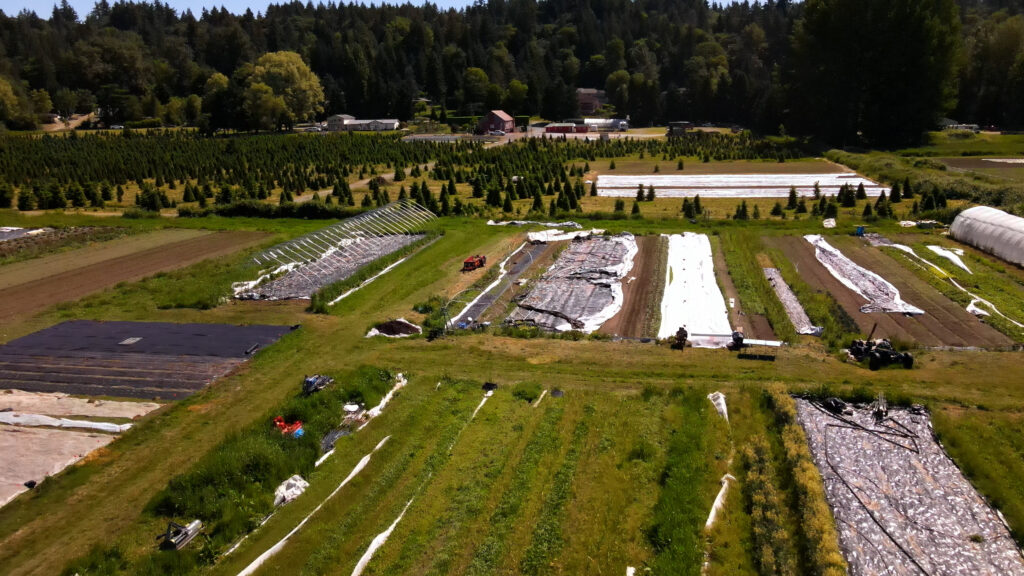
The Small Axe Farm is home to a small group of farmers who grow African produce for communities hungry for culturally relevant foods. The Black Farmers Collective manages the four-acre farm as an incubator program for new BIPOC farmers. The group aims to build and expand a Black-led food system while creating and supporting Black-owned businesses. It’s an impactful way to practice food sovereignty for communities that have historically faced challenges due to discrimination and systemic racism.
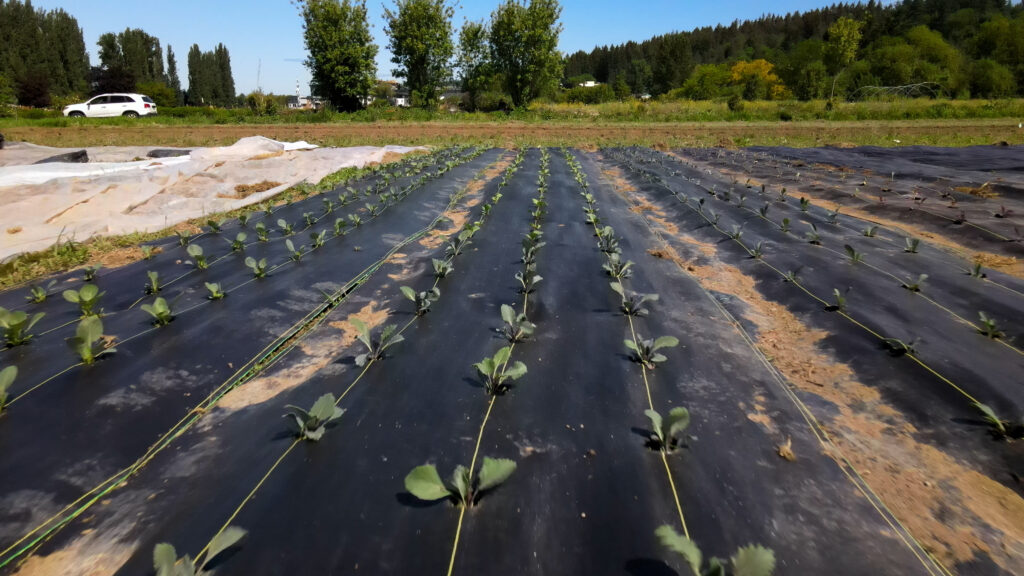
At Small Axe, these community groups and partners can learn farming skills while growing crops that support their financial futures and provide key foods for their communities.
Masra Clamoungoa, the Farm Manager here at Small Axe, explains the program’s benefits.
“The biggest thing we do is offer access to equipment, land, and infrastructure.”

These items have historically required substantial labor, capital, and investment, creating financial barriers between communities and their food systems. Small Axe is removing these barriers and empowering those who seek to build an equitable and just food system.
With these barriers removed, Masra now provides his skills and experience.
“We have a tractor, so I’ll do some of their initial tillage and site prep and then help them the rest of the season. I’ve been farming here for five years and a little longer here in the region. So, I’m also here to answer questions.”
The program features new farmers each year.
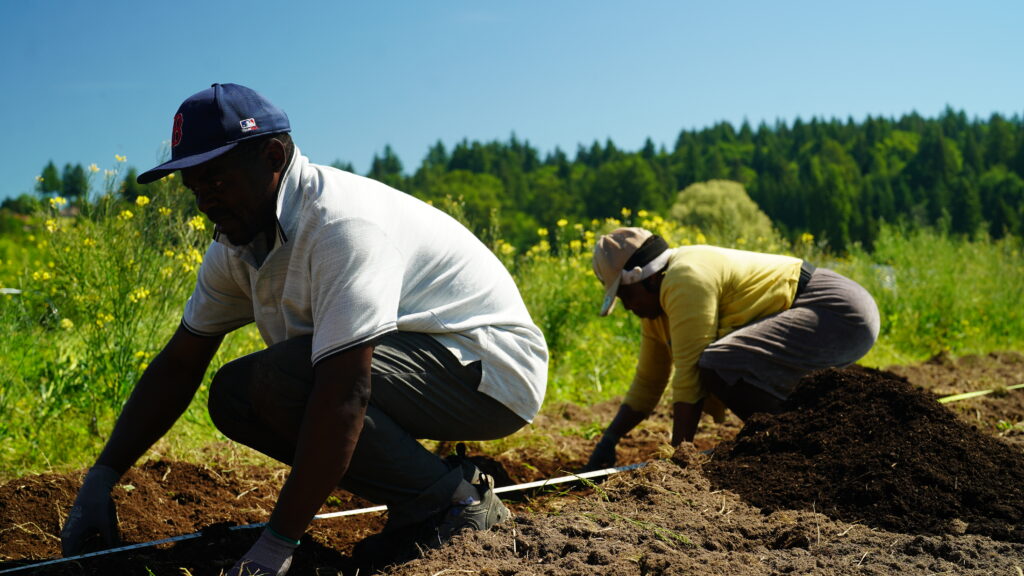
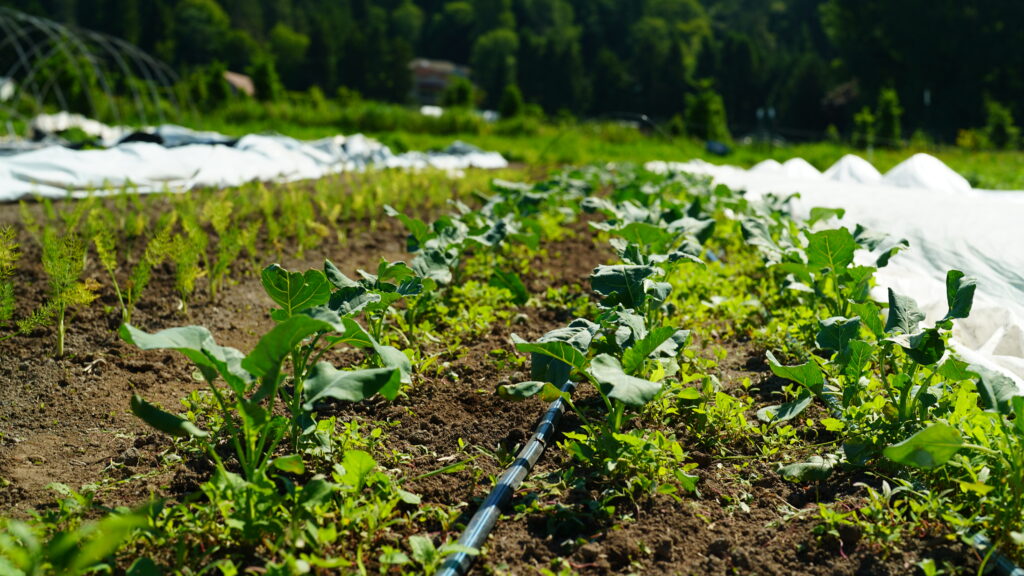
This year, eight individuals and/or groups are in the cohort. While some new farmers grow for the market, many grow for cultural organizations. This year, the Ubuntu African Heritage Organization is growing African Kales, corn, assorted African greens, chards, and radishes. These foods will be provided to their communities at little or no cost. According to farmers, these foods not only provide nourishment but also foster a connection to family and culture. The craveable flavors of these foods can bring families the comfort of home.
The Black Farmers Collective also provides equipment that small farmers need to get their crops to market.
“We have a wash pack station. This valuable infrastructure allows the farmers to wash and pack their produce for market. This allows them to access markets they might not be able to without another way to prepare produce for sale.”
And if farmers need a hand with sales, Masra can also help there.
“We’ll connect them to various vendors that buy from us, and that we have worked with in the past. This helps them get some initial sales, if they need it.”
Today, a team from Food Lifeline is helping prepare the farm by moving supplies and equipment. For just a few hours, they’re experiencing the hard work required to operate a working farm.
But what they’re truly witnessing is empowerment in action.
Food Lifeline supports the Black Farmers Collective this year with a $49,000 Community Food Sovereignty Grant. These funds will help cover the costs of program staffing and farm materials. This is the third year Food Lifeline has provided funding to the group.
You can learn more about the Black Farmers Collective at https://www.blackfarmerscollective.com/